Medical Facility Cleaning Protocols: What Gainesville Clinics Must Follow
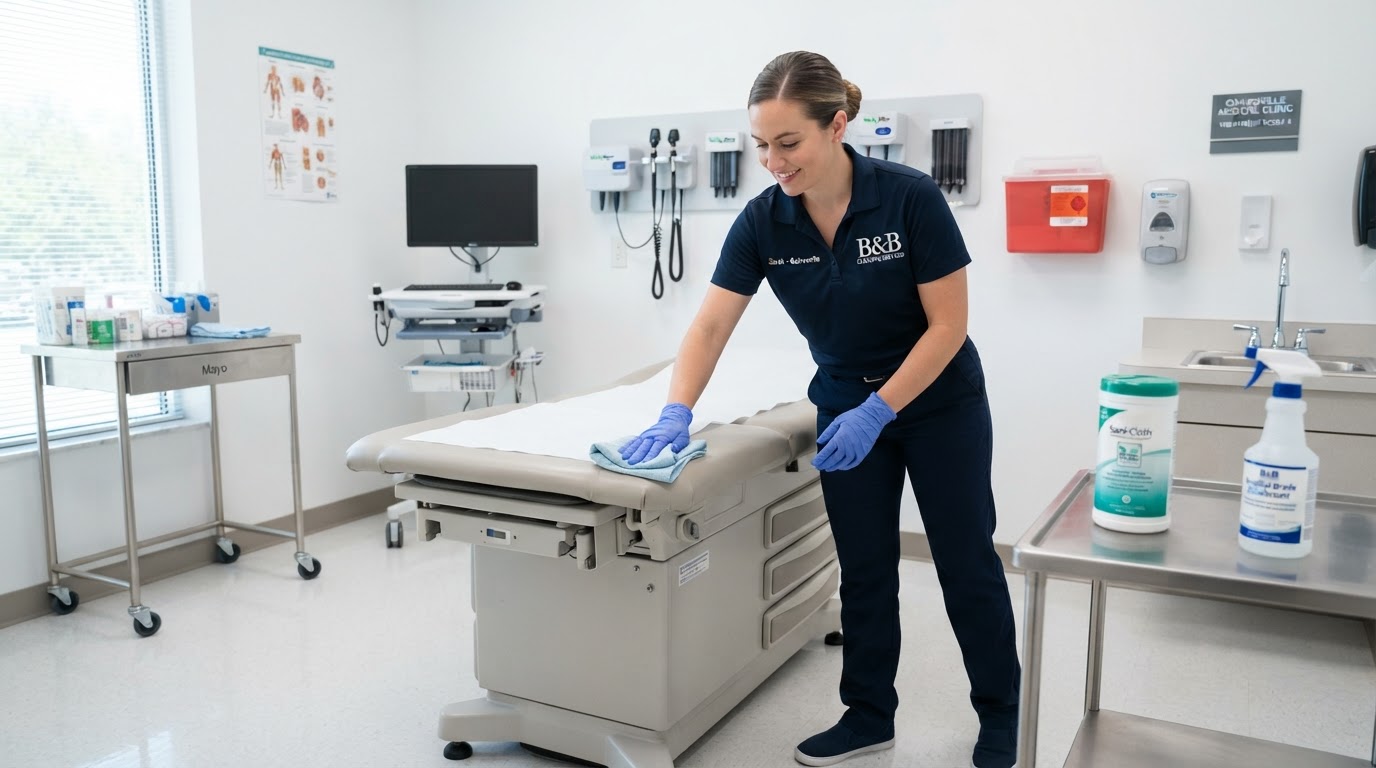
Why Medical Facilities Need Specialized Cleaning
Medical and dental offices in Gainesville operate under strict regulatory requirements that go far beyond standard commercial cleaning. These facilities handle blood, saliva, and other potentially infectious materials daily. The cleaning protocols must meet OSHA Bloodborne Pathogens Standards, CDC infection control guidelines, and Florida Department of Health regulations. A single compliance failure can result in fines, license suspension, and — most importantly — patient harm.
Standard janitorial services are not equipped for this level of cleaning. Medical facility cleaning requires trained personnel, EPA-registered hospital-grade disinfectants, documented protocols, and an understanding of clinical workflows. This guide outlines what Gainesville medical facilities need and how professional cleaning ensures compliance.
Regulatory Framework
OSHA Bloodborne Pathogens Standard (29 CFR 1910.1030)
Requires employers to maintain a clean and sanitary workplace to protect employees from exposure to blood and other potentially infectious materials. This includes written cleaning schedules, proper disinfectant use, and employee training.
CDC Guidelines for Disinfection and Sterilization
Classifies surfaces by risk level: critical (enters sterile tissue), semi-critical (contacts mucous membranes), and non-critical (contacts intact skin). Each category requires different disinfection levels.
Florida Department of Health
Conducts inspections of medical and dental facilities. Cleaning records, disinfectant logs, and biohazard waste handling are routinely reviewed.
Daily Cleaning Protocols by Area
Treatment Rooms
- Disinfect all clinical surfaces between patients: dental chair, examination table, light handles, countertops, and trays.
- Use EPA-registered hospital-grade disinfectants with appropriate contact times (typically 1-3 minutes for non-critical surfaces).
- Replace barrier protections on switches, handles, and headrests between patients.
- Clean and sterilize reusable instruments per CDC guidelines (autoclave or chemical sterilization).
- Dispose of single-use items in appropriate waste containers.
- Mop floors with hospital-grade disinfectant at the end of each day.
- Clean suction lines and spittoons daily (dental offices).
Waiting Room and Reception
- Disinfect all seating, tables, and door handles hourly during business hours.
- Sanitize reception counter, pens, clipboards, and keypads after each patient.
- Clean glass partitions and reception windows daily.
- Remove or sanitize magazines, toys, and brochures (best practice: remove entirely).
- Restock and check hand sanitizer stations multiple times daily.
- Vacuum and spot-clean carpets daily; mop hard floors.
Restrooms
- Disinfect all surfaces multiple times daily with hospital-grade products.
- Clean and sanitize toilets, sinks, faucets, and stall doors.
- Restock soap, paper towels, and toilet paper continuously.
- Mop floors with disinfectant solution.
- Check and refill hand sanitizer dispensers.
Staff Areas and Sterilization Rooms
- Clean break room surfaces, microwave, and refrigerator.
- Disinfect sterilization area countertops and equipment exteriors.
- Clean lab surfaces and equipment.
- Empty and document biohazard waste per OSHA regulations.
Weekly and Monthly Deep Cleaning
Weekly
- Deep clean HVAC vents and returns to prevent dust and pathogen circulation.
- Clean ceiling light fixtures and replace burned-out bulbs.
- Dust all high surfaces: shelves, top of cabinets, door frames.
- Deep clean break room: interior refrigerator, microwave, and sink.
- Scrub restroom grout and tile with antimicrobial cleaner.
Monthly
- Strip and wax hard floors or deep clean carpets (hot water extraction).
- Deep clean upholstery in waiting areas.
- Inspect for mold in plumbing areas and under sinks.
- Clean interior windows and glass partitions.
- Deep clean and descale all fixtures.
- Review and update cleaning protocol documentation.
Biohazard Waste Handling
Medical facilities generate regulated medical waste that requires special handling. Sharps go in puncture-resistant containers. Blood and body fluids require biohazard bags. All regulated waste must be disposed of through a licensed medical waste hauler. Cleaning staff must be trained in biohazard handling and spill response protocols.
Documentation and Compliance
Proper documentation is essential for passing inspections. Cleaning logs should record: date and time of cleaning, areas cleaned, products used, and staff member responsible. Disinfectant logs should track lot numbers and expiration dates. Spill kits must be accessible and stocked. All staff must complete annual bloodborne pathogens training.
Why Trust B&B Cleaning with Your Medical Facility
Our commercial cleaning team is trained in medical facility protocols, OSHA compliance, and hospital-grade disinfection. We understand the regulatory requirements and the stakes involved. We provide documented cleaning logs, trained personnel, and EPA-registered products that meet clinical standards.
Schedule Medical Facility Cleaning
Protect your patients, your staff, and your license with professional medical-grade cleaning. Get a free quote online for your Gainesville or South Florida medical or dental office.
Gainesville & North Central Florida: Call (352) 752-6222 or text us.
Boynton Beach & South Florida: Call (352) 752-6222 or text us.
Ready to schedule your cleaning?
Don't wait. Get pricing instantly or speak with our team today.
Keep Reading

Professional Residential Cleaning Services in Gainesville, FL | B&B Cleaning
Discover why homeowners in Gainesville trust our comprehensive residential cleaning services. From standard upkeep to specialized add-ons like inside fridge and oven cleaning, we keep your home pristine.
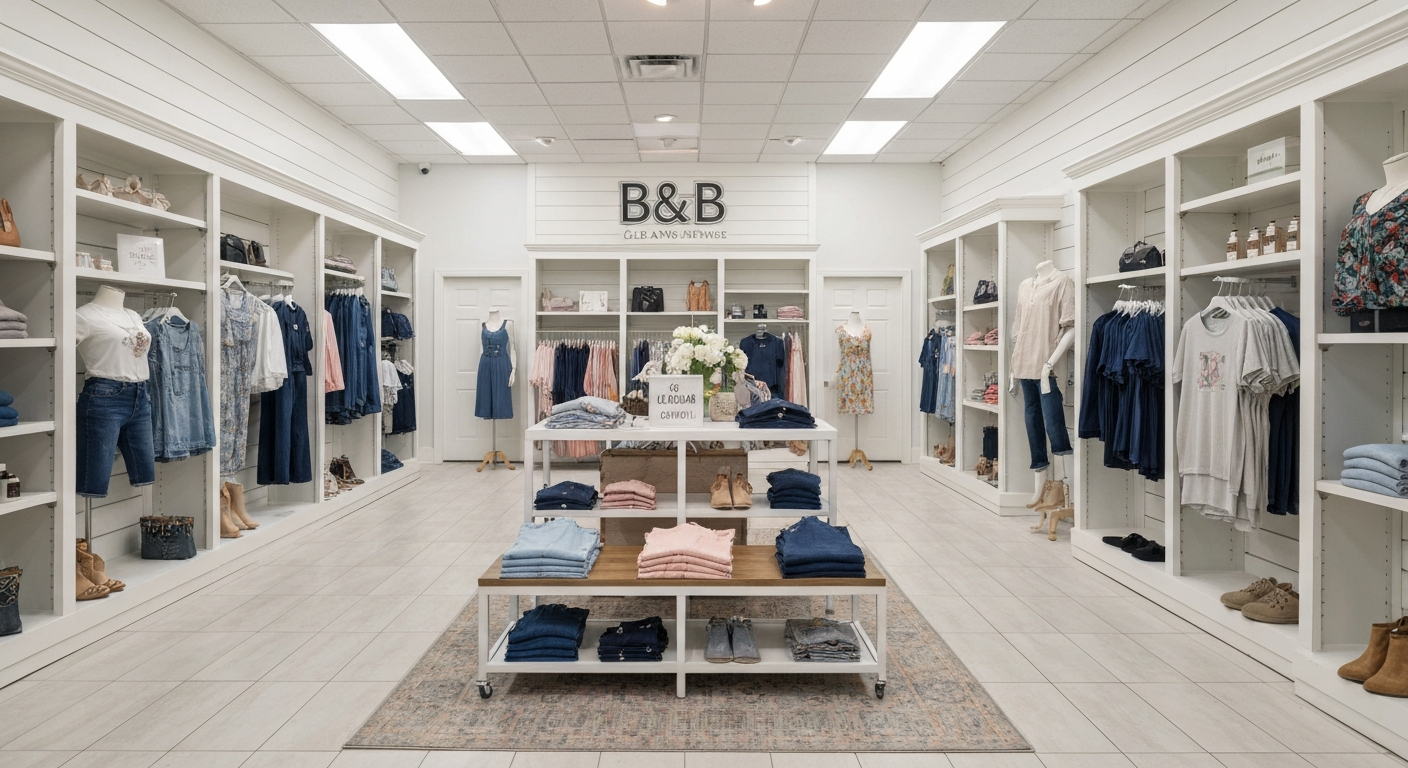
Boutique Retail & Office Cleaning in Haile Plantation
Keep your Haile Plantation storefront or office looking immaculate. We provide discreet, thorough commercial cleaning services tailored to upscale businesses.

Dependable Commercial Cleaning for Newberry Businesses
From local clinics to growing offices, our commercial cleaning services in Newberry ensure a safe, sanitary, and welcoming environment for your staff and clients.